Nonsurgical Phalloplasty in Uncircumcised Individuals: A Specialized Approach
Nonsurgical Phalloplasty in Uncircumcised Individuals:
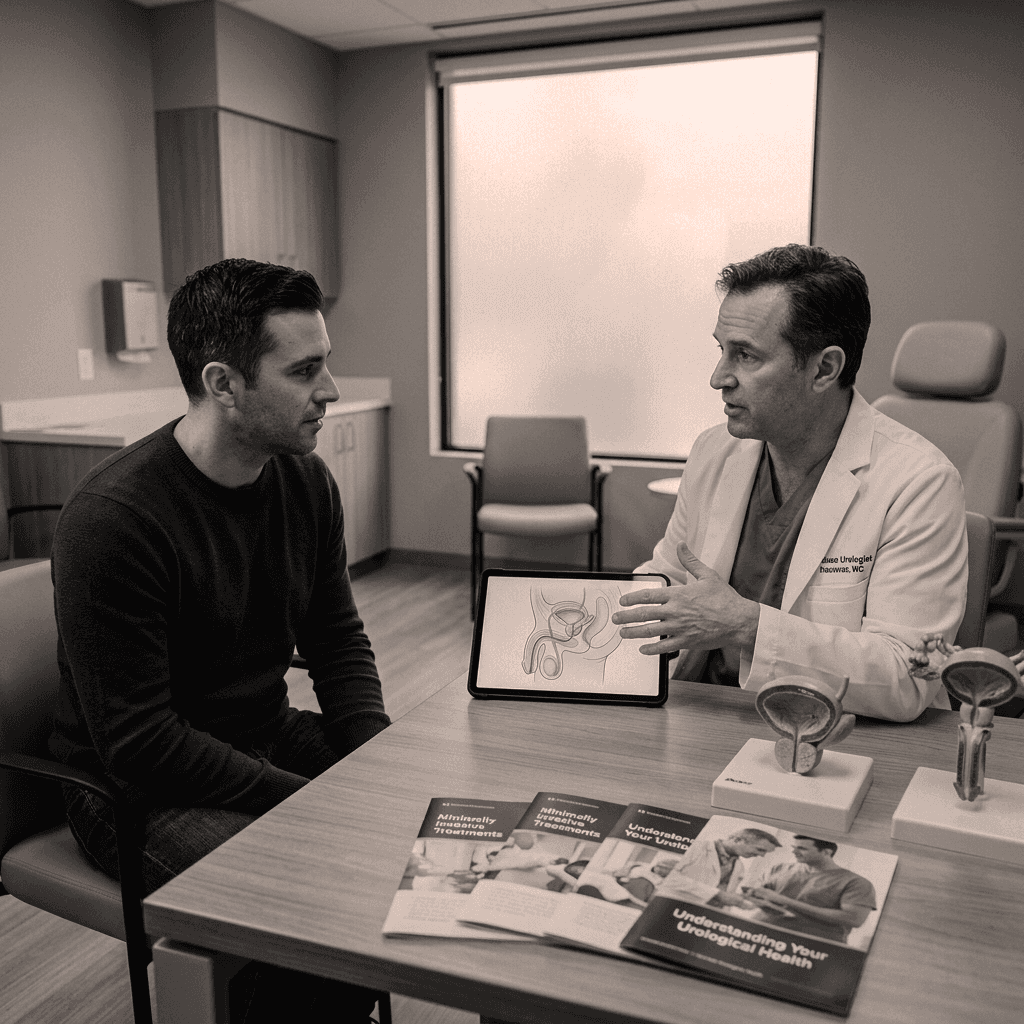
Nonsurgical Phalloplasty in Uncircumcised Individuals: A Specialized Approach
Nonsurgical phalloplasty has evolved into a refined, minimally invasive option for men seeking increased girth and improved aesthetics without the downtime of surgery. While the procedure is broadly applicable, uncircumcised individuals represent a distinct group that benefits from a tailored, conservative approach to ensure optimal outcomes.
Understanding the Unique Anatomy
In uncircumcised patients, the presence of the foreskin (prepuce) introduces additional variables:
Greater skin mobility along the shaft
Potential for filler migration if not properly distributed
Increased risk of irregular contouring near the distal shaft
Functional importance of preserving natural foreskin movement and sensitivity
Because of these factors, the technique must prioritize balance, restraint, and anatomical respect.
Why a Conservative Strategy Matters
Unlike circumcised individuals, where the skin is more fixed, uncircumcised patients require:
Lower initial volume placement
Gradual, staged enhancement rather than aggressive single sessions
Strategic avoidance of the distal shaft and foreskin area
This approach helps maintain:
A natural flaccid appearance
Symmetry during erection
Normal foreskin retraction and function
Aiming for moderate, proportional girth enhancement is key to preserving both aesthetics and comfort.
Technique Considerations
Modern nonsurgical phalloplasty relies on biocompatible soft tissue fillers, including:
Hyaluronic Acid (HA): Temporary and reversible
Ellansé™ (PCL): Long-lasting collagen stimulator
PMMA (Polymethylmethacrylate): Permanent structural filler
For uncircumcised individuals, physicians typically:
Place filler in the mid to proximal shaft
Use micro-cannulas to reduce trauma and vascular risk
Employ layered, controlled deposition techniques
Avoid overfilling to prevent foreskin-related complications
A Note on Circumcision Considerations
In some cases, we may recommend circumcision prior to undergoing nonsurgical phalloplasty, particularly when anatomical factors suggest a higher risk of uneven distribution, excessive mobility, or aesthetic compromise.
At the same time, we fully recognize that religious, cultural, and personal values play an important role in this decision. For that reason, circumcision is never a requirement, but rather an option discussed openly with each patient.
In rare situations where significant irregularities or imperfections develop, a more definitive corrective option may be considered. This could involve what is referred to as a “therapeutic circumcision”, aimed at improving contour, symmetry, and overall outcome.
Expected Results and Timeline
With a conservative, staged plan, patients can expect:
Gradual increases in girth over multiple sessions
Improved shaft symmetry and tactile feel
Minimal disruption to foreskin function
Spacing sessions by at least 6 weeks allows tissues to stabilize and collagen formation to progress before additional enhancement.
Potential Risks and How They Are Minimized
As with any filler-based procedure, potential risks include:
Irregularities or nodules
Edema or prolonged swelling
Product migration
Rare inflammatory responses
In uncircumcised patients, these risks are mitigated by:
Conservative volume selection
Careful anatomical mapping
Avoidance of the foreskin itself
Close follow-up and aftercare guidance
Patient Selection and Candidacy
Ideal candidates are:
In good general health
Realistic in their expectations
Willing to follow a staged, physician-guided plan
Prior experience with temporary fillers (such as HA) can be beneficial, but is not required.

Avanti Derma Insight
At Avanti Derma, experience has shown that less is more in uncircumcised patients. A measured, stepwise approach not only preserves function but often delivers the most natural and satisfying long-term results.
Every case is unique. Careful evaluation, clear communication, and individualized planning remain the foundation of successful nonsurgical phalloplasty in this specialized group.
Final Thoughts
Nonsurgical phalloplasty in uncircumcised individuals is both safe and effective when performed with expertise and restraint. By respecting the natural anatomy and proceeding conservatively, patients can achieve meaningful enhancement while maintaining normal function and appearance.
Note: This article is for educational purposes only. Individual outcomes vary. A consultation with a qualified physician is essential to determine the most appropriate treatment plan.