Nonsurgical Phalloplasty in 2026
Nonsurgical Phalloplasty in 2026: Status, Trends, and the Evolution of Male Enhancement

Nonsurgical Phalloplasty in 2026: Status, Trends, and the Evolution of Male Enhancement
Nonsurgical phalloplasty has entered a new phase of maturity in 2026. Once considered niche or experimental, it is now part of mainstream aesthetic medicine, supported by improved techniques, better materials, and growing clinical data. The field continues to evolve rapidly, driven by patient demand for safer, less invasive options and more natural-looking results.
The Shift Toward Minimally Invasive Enhancement
One of the most important trends shaping 2026 is the overwhelming preference for nonsurgical procedures. In fact, the majority of male aesthetic treatments are now non-invasive, reflecting a broader shift toward treatments with minimal downtime, lower risk, and faster recovery.
This shift is particularly relevant in penile enhancement, where traditional surgical approaches often involve:
Longer recovery periods
Higher complication rates
Irreversible structural changes
By contrast, nonsurgical phalloplasty offers:
Office-based procedures
Immediate or near-immediate results
Customizable, staged treatments
As a result, patients increasingly view nonsurgical phalloplasty not as an alternative—but as the preferred standard.

The Role of Soft Tissue Fillers
At the core of modern nonsurgical phalloplasty are soft tissue fillers. These materials allow physicians to enhance girth safely within the subcutaneous plane, avoiding deeper anatomical structures.
Four major filler categories are recognized in the literature:
Hyaluronic Acid (HA)
Polycaprolactone (PCL, e.g., Ellansé)
Polymethylmethacrylate (PMMA)
Calcium Hydroxylapatite (CaHA)
Each offers a distinct profile in terms of longevity, firmness, and reversibility—allowing physicians to tailor treatments to individual patient goals.
Hyaluronic Acid (HA): Temporary and Reversible
HA remains the most widely used entry-level filler due to its safety profile and reversibility. It absorbs, hold water, and integrates well with tissue and can be dissolved if needed.
Recent innovations have improved:
Longevity
Injection precision
Symmetry and natural appearance
This makes HA ideal for first-time patients or those seeking flexibility and temporary results despite the cost.
Ellansé (PCL): Long-Term Biostimulation:
Ellansé represents the growing category of collagen-stimulating fillers. Rather than simply occupying space, it promotes gradual tissue regeneration, offering results that can last several years.
This reflects a major 2026 trend: biostimulatory enhancement, where the body itself contributes to long-term outcomes. The predicted longevity established by the manufacturer based on facial treatments seems to be much longer when the product is used for nonsurgical phalloplasty (3+ years).
3.PMMA: Permanent Structural Enhancement:
PMMA remains the only widely used permanent option in nonsurgical phalloplasty. Clinical experience since 2007 demonstrates:
Durable volume retention
High patient satisfaction
Low complication rates when performed correctly
Its permanence makes it suitable for patients seeking long-term solutions, provided they are carefully selected and properly counseled.
Safety: A Central Focus in 2026
As the field expands, safety has become the defining factor separating experienced medical providers from opportunistic entrants.
Modern data shows:
Major complication rates for medically administered fillers are very low (well under 1%)
Outcomes depend heavily on technique, anatomy knowledge, and product selection
At the same time, increased demand has led to:
More unqualified providers
Higher incidence of complications from non-medical injections
This has reinforced a critical message in 2026:
The procedure is only as safe as the practitioner performing it.
Customization and Combination Therapies
Another defining trend is personalization. Nonsurgical phalloplasty is no longer a “one-size-fitsall” procedure.
Modern protocols often combine:
Fillers (for structure and girth)
PRP (for tissue quality and healing)
Stem Cell therapy
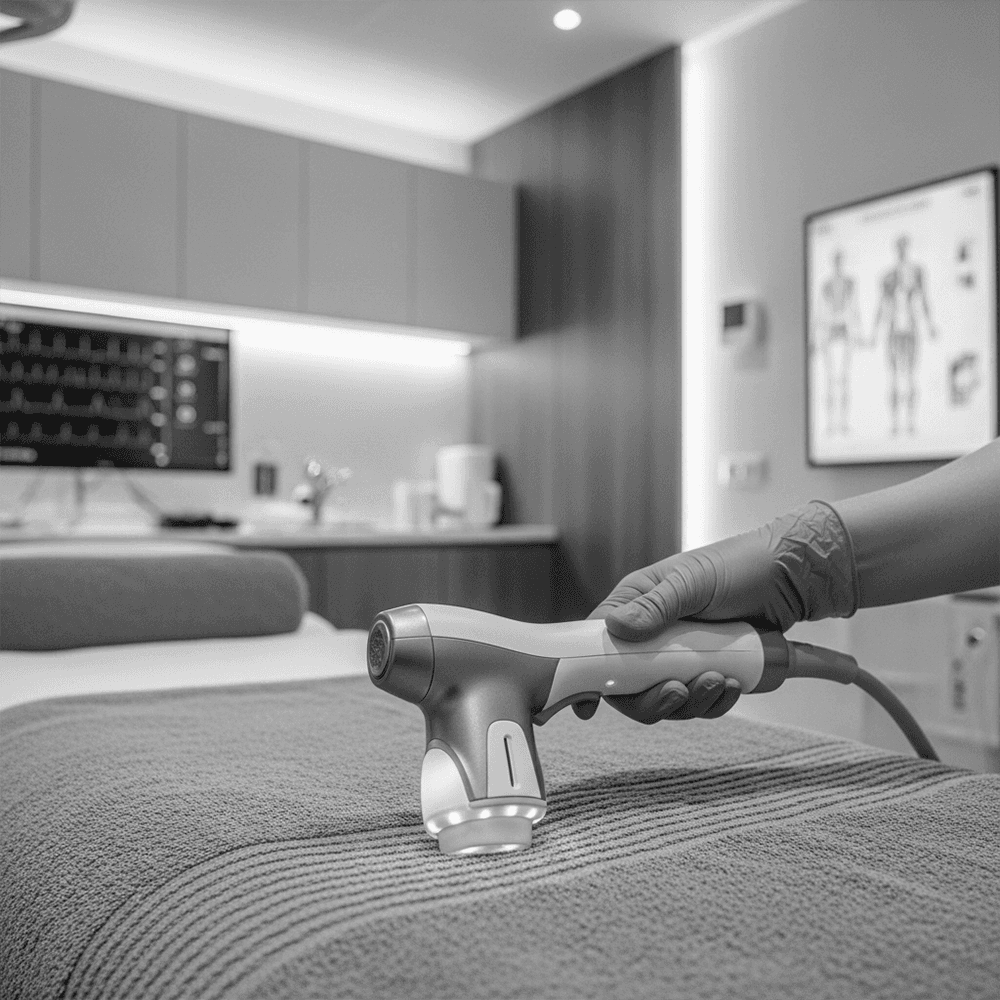
Energy-based devices (e.g., shockwave therapy)
This integrated approach aims to improve not only appearance but also function and tissue health.
Growing Medical Recognition
Historically controversial, penile enhancement is gaining legitimacy within urology and sexual medicine. Professional organizations and academic forums are increasingly discussing:
Safety standards
Clinical outcomes
Patient selection
This reflects a broader shift: from stigma to structured medical practice.
Avanti Derma: A Pioneer in the Field
Among the established providers worldwide, Avanti Derma stands out as one of the most recognized destinations for nonsurgical phalloplasty.
Its relevance in 2026 is grounded in:
A long clinical history dating back to 2007
Extensive experience with injectable techniques
A structured approach to patient selection and follow-up
One of its distinguishing features is the availability of three different soft tissue fillers, each with a distinct longevity profile:
Hyaluronic Acid (HA): Temporary and reversible
Ellansé (PCL): Long-term, collagen-stimulating
PMMA: Permanent structural enhancement
This range allows for true customization—matching the treatment to the patient’s goals, risk tolerance, and long-term expectations.
Challenges and Considerations
Despite its growth, nonsurgical phalloplasty still faces important challenges:
Lack of universal standardization
Variability in practitioner skill
Ongoing debate regarding optimal materials and techniques
Additionally, even well-performed procedures may involve:
Temporary swelling or irregularities
Need for staged sessions
Maintenance treatments (for non-permanent fillers)
Patient education remains essential.
Looking Ahead
The future of nonsurgical phalloplasty is promising. Key developments expected in the coming years include:
More advanced biostimulatory fillers
Improved delivery systems (e.g., precision cannulas, injection devices)
Expanded regenerative therapies (stem cells, exosomes)
Better long-term clinical data
As innovation continues, the focus will remain on safety, natural results, and individualized care.
Final Perspective
In 2026, nonsurgical phalloplasty is no longer experimental—it is a refined, evolving discipline within aesthetic medicine. With the right expertise, appropriate materials, and realistic expectations, it offers patients a viable and increasingly sophisticated path to enhancement.
Clinics with long-standing experience, such as Avanti Derma, continue to play a central role in shaping the standards and direction of the field—bridging early innovation with modern, evidence-based practice.