Stem Cells and Shockwave Therapy for Erectile Enhancement
How mesenchymal stem cell therapy combined with low-intensity shockwave therapy is being used for erectile enhancement — the mechanism and the evidence.
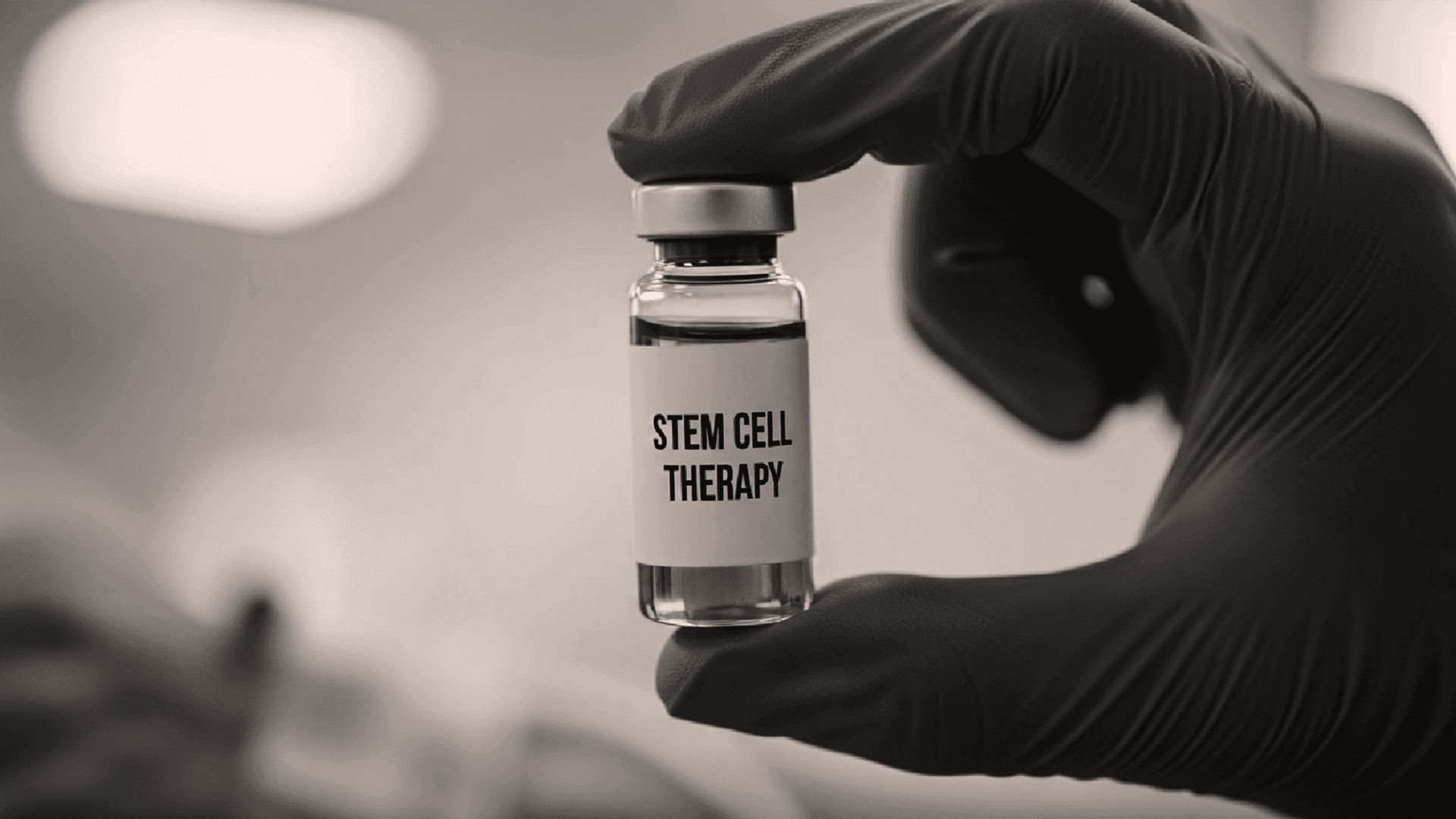
Stem Cells and Shockwave Therapy: A Regenerative Approach to Erectile Enhancement
Dr. Luis Casavantes | Dr. Palmira Morales
Avanti Derma, Tijuana, Mexico
Two regenerative modalities have accumulated a meaningful evidence base for erectile function in the last decade: low-intensity extracorporeal shockwave therapy (Li-ESWT) and mesenchymal stem cell (MSC) therapy. Used alone they are useful in narrow contexts. Used in combination — sometimes alongside PRP for erectile dysfunction — they represent one of the more promising directions in non-pharmacologic ED care.
Low-Intensity Shockwave Therapy: What It Does
Li-ESWT delivers focused acoustic energy at low intensity to the cavernosal tissue. The proposed mechanism is neovascularization — the recruitment of new blood vessels — through mechanotransduction and release of endogenous growth factors. Multiple randomized trials have shown improvements in IIEF-EF scores in men with mild-to-moderate vasculogenic ED, with effect sizes that are meaningful without being dramatic.
Li-ESWT is not a treatment for severe ED, post-radical-prostatectomy ED, or ED with established cavernosal fibrosis. It works best where there is vascular capacity to recruit.
Mesenchymal Stem Cells: What They Do
MSCs are multipotent adult cells sourced from bone marrow, adipose tissue, or umbilical cord tissue. Their therapeutic effect in cavernosal tissue is thought to be paracrine — they secrete growth factors and immunomodulatory signals that promote tissue repair and vascular remodeling — rather than through direct differentiation into new cavernosal tissue.
Preliminary trials of intracavernosal MSC therapy have shown functional improvements in men with ED of various etiologies, including post-prostatectomy ED and diabetic ED. Sample sizes remain small; long-term data are limited.
Why Combination Makes Biological Sense
Shockwave provides the mechanical and vascular stimulus. MSCs provide the biological substrate — growth factors, immunomodulation, and paracrine signaling — for the tissue response. The two modalities are mechanistically complementary rather than redundant. Combination protocols are being investigated in pilot studies with encouraging early results, though large-scale randomized data are pending.
Who Is a Candidate
Men with mild-to-moderate vascular ED, particularly those who prefer to avoid or supplement PDE5 inhibitors.
Men in early post-prostatectomy recovery seeking to support tissue healing.
Men with early-stage vasculogenic dysfunction who want to preserve function proactively.
Selected Peyronie's disease patients with concurrent ED, as an adjunct.
Not candidates:
Men with severe cavernosal fibrosis or advanced venous leak.
Men with untreated hormonal deficiencies (address those first).
Men expecting a definitive cure for severe, established ED.
What Realistic Outcomes Look Like
Realistic outcomes are functional improvement in the IIEF-EF range consistent with the published literature — meaningful, measurable, but not miraculous. Patients who respond typically report improvements over 3–6 months, with peak effect around month 6. Combination protocols may extend the durability of response.
The Clinic's Position
We offer both modalities. We use them individually or in combination based on the clinical evaluation, not on a fixed protocol. We tell patients what the evidence supports and what it does not. We do not market either as a cure. We do use them where they fit — because in the right patient, they work.
Clinical Takeaways
Li-ESWT has meaningful evidence for mild-to-moderate vasculogenic ED.
MSC therapy has preliminary evidence for a broader ED population, including post-prostatectomy ED.
Combination protocols are mechanistically complementary and under active investigation.
Neither modality is a definitive cure; both are best used within a broader treatment plan.
Responsible use requires diagnostic workup, honest expectation-setting, and follow-up.
Bibliography
Sokolakis, I., Hatzichristodoulou, G. "Clinical Studies on Low-Intensity Extracorporeal Shockwave Therapy for Erectile Dysfunction." Int J Impot Res 31 (2019): 177–194.
Yiou, R., et al. "Intracavernous Injections of Bone Marrow Mononucleated Cells for Postradical Prostatectomy Erectile Dysfunction." Eur Urol 69 (2016): 988–991.
Protogerou, V., et al. "The Combination of Intracavernous Injections of Platelet-Rich Plasma, Hyaluronic Acid and Stem Cells for the Treatment of Erectile Dysfunction: A Pilot Study." Sex Med 8 (2020): 106–112.